

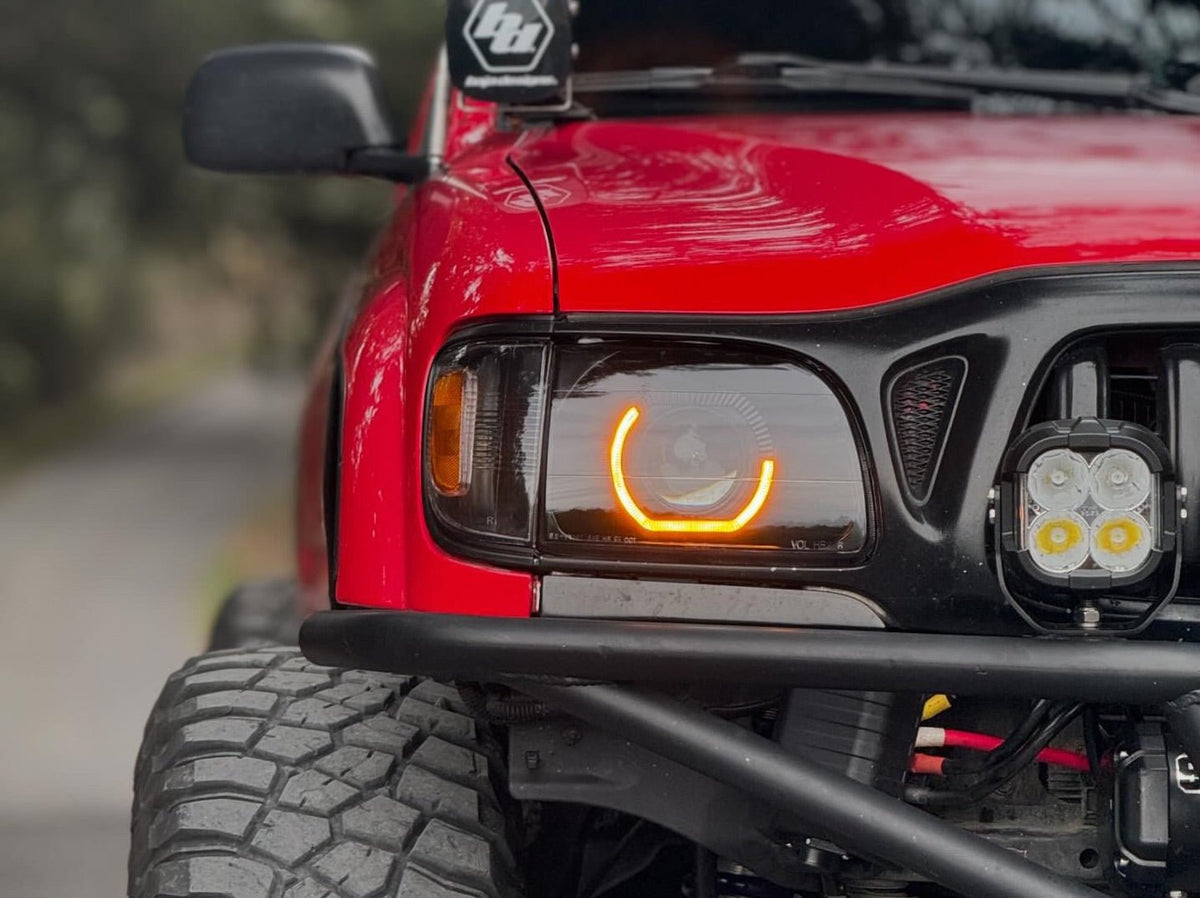
Seeing condensation inside your headlights can be frustrating, especially after installing new or custom headlights. A little fogging can be normal, but heavy condensation or water inside the headlight can be a sign of a problem.
So, what causes headlight condensation, and how can you prevent it?
What Causes Headlight Condensation?
Headlight condensation usually happens when warm, moist air meets a cool headlight lens. This can happen after rain, washing your vehicle, or a big change in temperature.
Other common causes include:
-
Blocked vents
-
Damaged seals
-
Cracks in the lens or housing
-
Loose parts
-
Improper installation
Headlights are designed with vents that allow air to move in and out. This helps moisture escape from the housing.
Is Condensation Inside Headlights Normal?
A small amount of fogging does not always mean there is a problem. Light condensation can appear when the temperature changes and may go away once the headlights warm up.
Heavy fogging, large water drops, or water collecting inside the headlight is different. This can mean there is a problem with the seal, vent, lens, or housing.
How to Prevent Headlight Condensation
Keep the Vents Clear
Headlight vents allow air to move through the housing. Dirt or debris can block these vents and make it harder for moisture to escape.
Make sure the vents are clean and not covered.
Check the Seals
The seals around your headlights help keep water out. If a seal is damaged, loose, or not installed correctly, moisture can get inside.
If your headlights keep fogging up, checking the seals is a good place to start.
Check for Cracks
A small crack in the lens or housing can let water into your headlights. Check your headlights for damage, especially after an accident or impact.
Make Sure Everything Is Installed Correctly
Loose bulbs, caps, connectors, or other parts can create openings where moisture can get inside.
This is especially important with aftermarket and retrofitted headlights. Proper installation helps keep the housing sealed while still allowing it to breathe.
How to Get Moisture Out of Headlights
If you notice a small amount of fogging, turning on your headlights can help warm them up and allow the moisture to disappear.
If you have a lot of water inside the headlight, simply drying it out may not fix the problem. You will want to find out how the water is getting inside.
Check for:
-
Damaged seals
-
Blocked vents
-
Cracks
-
Loose parts
-
Installation problems
Fixing the source of the moisture is the most important step.
Can Headlight Condensation Damage Your Headlights?
Too much moisture inside a headlight can cause problems over time. Water can lead to corrosion or damage to electrical parts inside the housing.
If you notice a lot of water or condensation that keeps coming back, it is a good idea to address the problem before it gets worse.
Headlight Condensation After a Retrofit
Proper sealing and ventilation are especially important when building or installing a headlight retrofit.
A retrofit adds new components inside the factory housing and may require modifications to the rear of the headlight, so the assembly needs to be sealed carefully while still allowing the factory ventilation system to function.
At Desert Wolf Retrofits, we take additional steps to help protect our custom headlights from moisture. When the headlights are reassembled, we add additional butyl sealant around the lens and housing to help reinforce the factory seal.
We also use custom boots and additional sealants around openings and components on the back of the headlight housing. These help create a more complete seal around areas that have been modified during the retrofit while still allowing the headlight's ventilation system to work as intended.
These extra steps help reduce potential entry points for water and moisture and are an important part of how we build our custom headlights.
Even with a properly sealed headlight, a small amount of temporary fogging can still occur because headlights are vented and experience changes in temperature and humidity. Persistent condensation, large droplets, or standing water, however, should be inspected.
Frequently Asked Questions
Why do my headlights fog up inside?
Headlights can fog up when warm, moist air meets a cool lens. Light fogging can be normal, but heavy or repeated condensation may mean there is a problem.
How do I prevent condensation in my headlights?
Keep the vents clear, check the seals, look for cracks, and make sure everything is installed correctly.
Is condensation inside headlights normal?
A small amount of fogging can be normal and may disappear when the headlights warm up. Large amounts of water or condensation that does not go away should be checked.
How do I get water out of my headlights?
Light fogging may go away as the headlights warm up. If water keeps collecting inside, you will need to find and fix the source of the leak.
Can condensation damage my headlights?
Too much moisture can cause corrosion and damage parts inside the headlight. If condensation keeps coming back, it is worth finding the cause.
Keep Your Headlights Clear
A little headlight fogging can be normal, but heavy condensation or water inside your headlights should not be ignored.
Keeping your vents clear, checking your seals, and making sure your headlights are installed correctly can help prevent moisture problems.
For custom headlights, the quality of the sealing work matters too. Desert Wolf Retrofits uses additional butyl sealant along with custom boots and sealants around the back of the housing to help protect modified areas and reduce potential entry points for moisture.
Share:
Are Baja Designs LP6 Lights Street Legal?
Why Do Headlights Turn Yellow?